
Low Fat Diet Food List: A Comprehensive Guide (Updated April 30, 2026)
Navigating a low-fat journey requires informed choices; readily available PDF resources and detailed lists empower individuals to effectively reduce fat intake and achieve wellness.
Embarking on a low-fat diet involves strategically reducing dietary fat intake, typically aiming for less than 30% of daily calories from fat sources. This approach, historically popular, centers around the belief that lowering fat consumption aids weight management and improves cardiovascular health. However, modern nutritional science reveals a more nuanced picture, highlighting the importance of fat types – prioritizing unsaturated fats while limiting saturated and trans fats.
Comprehensive resources, like downloadable PDF guides detailing low-fat food lists, are invaluable tools for successful implementation. These guides often categorize foods based on fat content, offering practical alternatives to higher-fat options. Understanding portion sizes and hidden fats within processed foods is also crucial. A well-planned low-fat diet isn’t about complete fat elimination, but rather making informed, healthier choices to support overall well-being and achieve desired health outcomes.
The Misconceptions About “Low-Fat” Foods
The label “low-fat” often creates a false sense of health, leading consumers to believe these products are automatically beneficial for weight loss or overall health. However, many “low-fat” processed foods compensate for the reduced fat content by significantly increasing sugar, salt, and artificial ingredients to maintain palatability. This can inadvertently contribute to increased calorie intake and potentially fuel belly fat, as recent warnings from weight loss doctors suggest.
Detailed PDF low-fat diet food lists can help navigate this deceptive landscape. They emphasize whole, unprocessed foods naturally low in fat, rather than relying on manufactured “low-fat” alternatives. It’s vital to scrutinize nutrition labels, focusing on total calories, sugar content, and ingredient lists, rather than solely fixating on the “low-fat” claim. Prioritizing real food is key to a truly healthy approach.
Why a Low-Fat Diet Can Be Beneficial
Adopting a well-planned low-fat diet, guided by a comprehensive PDF food list, offers numerous health advantages. Reducing fat intake can contribute to weight management by lowering overall calorie consumption, particularly when coupled with increased physical activity. Furthermore, it supports cardiovascular health by potentially lowering LDL (“bad”) cholesterol levels, reducing the risk of heart disease and stroke.
A focus on naturally low-fat foods – fruits, vegetables, whole grains, and lean proteins – encourages a nutrient-rich dietary pattern. This approach provides essential vitamins, minerals, and fiber, promoting optimal bodily function and sustained energy levels; Utilizing a detailed list ensures balanced nutrition while minimizing unhealthy fat sources, fostering long-term wellness and disease prevention.

Core Food Groups for a Low-Fat Diet
A PDF guide highlights fruits, vegetables, lean proteins, and whole grains as foundational elements, enabling a balanced and effective low-fat dietary approach.
Fruits: Naturally Low in Fat
Fruits are inherently low in fat, making them a cornerstone of any effective low-fat diet plan, as detailed in comprehensive PDF guides. These naturally sweet treats provide essential vitamins, minerals, and fiber without contributing significantly to dietary fat intake. A PDF resource will typically showcase a wide variety of options, from berries – like strawberries, blueberries, and raspberries – to citrus fruits such as oranges, grapefruits, and lemons.
Apples, bananas, pears, and peaches are also excellent choices, offering both nutritional value and satisfying sweetness. When utilizing a low-fat diet PDF, pay attention to portion sizes, as even healthy foods contain calories. Incorporating fruits into meals and snacks can help curb cravings for less healthy, high-fat alternatives, supporting weight management and overall well-being. Remember to prioritize whole fruits over juices, which often lack fiber and contain added sugars.
Vegetables: The Foundation of a Low-Fat Plan
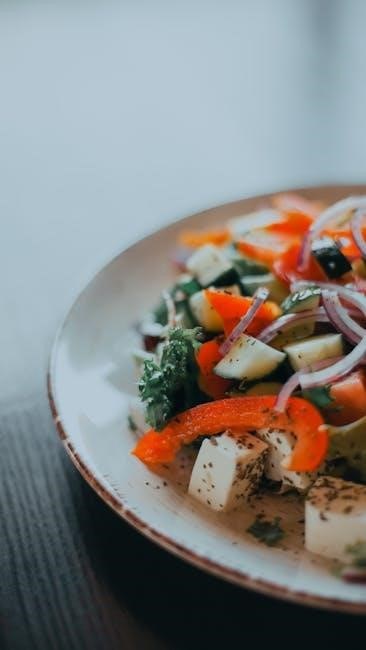
Vegetables form the bedrock of a successful low-fat dietary approach, consistently emphasized within detailed PDF guides. They are exceptionally low in fat, packed with vital nutrients, and contribute significantly to feelings of fullness, aiding in weight control. A comprehensive PDF resource will categorize vegetables, highlighting leafy greens like spinach, kale, and lettuce, alongside cruciferous vegetables such as broccoli, cauliflower, and Brussels sprouts.
Root vegetables like carrots, potatoes (consumed in moderation), and beets offer additional nutritional benefits. Non-starchy vegetables, generally, should comprise a substantial portion of each meal. Utilizing a low-fat diet PDF, explore diverse cooking methods – steaming, roasting, or grilling – to maximize flavor without adding unhealthy fats. Prioritizing vegetables ensures a nutrient-dense, low-calorie intake, supporting long-term health and weight management goals.
Lean Proteins: Essential for Satiety
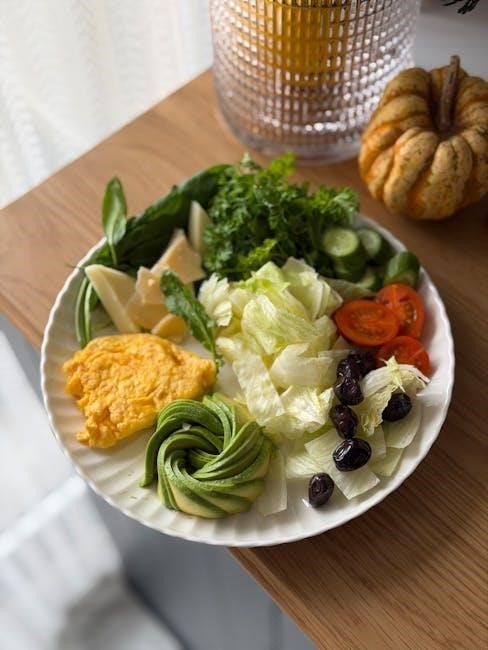
Lean proteins are indispensable for a low-fat diet, promoting satiety and preserving muscle mass – details often outlined in comprehensive PDF guides. These resources emphasize selecting protein sources low in saturated and trans fats. A well-structured PDF will categorize options, including skinless chicken and turkey breast, offering portion size recommendations for optimal results.
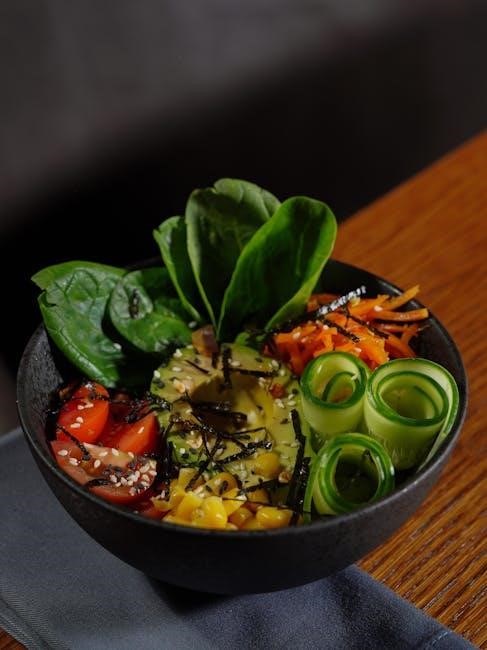
Fish, particularly white fish like cod and haddock, is highlighted for its high protein and low-fat content. Plant-based proteins, such as beans and legumes (lentils, chickpeas, black beans), are also prominently featured, providing fiber and essential nutrients. PDF guides often include recipes demonstrating how to prepare these proteins in a healthy, flavorful manner, avoiding added fats. Prioritizing lean proteins supports metabolic function and sustained energy levels throughout the day.
Chicken & Turkey (Skinless)
Skinless chicken and turkey breast are cornerstones of a low-fat diet, frequently detailed within comprehensive PDF food lists. These PDF resources emphasize removing the skin before cooking, as it contains a significant amount of fat. They often provide guidance on preparation methods – baking, grilling, or poaching – to avoid adding unnecessary fats during the cooking process.
A detailed PDF will likely include nutritional information per serving, highlighting the high protein content and low-fat profile. Portion control is also addressed, suggesting appropriate serving sizes to align with daily caloric goals. Many guides offer recipe ideas utilizing these lean proteins, showcasing versatility and flavor. Choosing skinless poultry supports weight management and provides essential amino acids without compromising dietary objectives, as clearly outlined in downloadable PDF guides.
Fish (Especially White Fish)
White fish, such as cod, haddock, and pollock, are prominently featured in low-fat diet PDF guides due to their exceptionally low fat content. These PDF resources often categorize fish based on fat levels, clearly identifying white fish as a prime choice. They emphasize baking, grilling, or steaming as preferred cooking methods to avoid adding fats.
A comprehensive PDF will detail the nutritional benefits, including omega-3 fatty acids (though lower in white fish compared to salmon) and high-quality protein. Serving size recommendations are typically included, aligning with overall caloric intake. Many PDF guides provide simple recipes, demonstrating how to incorporate white fish into meals. Choosing white fish supports heart health and provides a lean protein source, making it a valuable component of a low-fat eating plan, as detailed in readily available PDF documents.
Beans & Legumes
Beans and legumes – lentils, chickpeas, kidney beans, and black beans – consistently appear in low-fat diet PDF resources as nutritional powerhouses; These PDF guides highlight their impressive fiber content, promoting satiety and aiding weight management. They are naturally low in fat and offer a substantial protein source, crucial for maintaining muscle mass during a reduced-fat intake.
Detailed PDF meal plans frequently incorporate beans and legumes into soups, salads, and main courses. Information within these PDF documents often includes preparation tips to minimize added fats, such as avoiding frying and opting for water-based cooking methods. Serving size suggestions are provided to align with daily caloric goals. Many PDFs emphasize the versatility of beans and legumes, showcasing their ability to contribute to a diverse and satisfying low-fat diet, supporting overall health and wellness.
Whole Grains: Fiber-Rich and Filling
Low-fat diet PDF guides consistently champion whole grains as cornerstones of a healthy eating plan. These resources emphasize the significant fiber content found in options like oats, brown rice, and quinoa, promoting fullness and aiding digestive health. PDF documents detail how fiber helps regulate blood sugar levels, preventing cravings and supporting weight management.
Many PDF meal plans showcase whole grains as versatile bases for meals, paired with lean proteins and vegetables. Information within these PDFs often includes portion control recommendations to ensure balanced intake. They highlight the importance of choosing whole grains over refined versions, maximizing nutritional benefits. PDF resources also provide quick cooking methods and recipe ideas, making it easier to incorporate these filling and nutritious foods into a daily low-fat regimen, fostering long-term adherence.
Oats
Low-fat diet PDF resources frequently spotlight oats as an exceptional breakfast choice, emphasizing their soluble fiber – beta-glucan. This fiber is highlighted in PDF guides for its cholesterol-lowering properties and ability to promote satiety, crucial for weight management. PDF meal plans often feature various oat preparations, from simple oatmeal to overnight oats, demonstrating versatility.
Detailed PDFs provide guidance on selecting the right type of oats (steel-cut, rolled, or instant), advising minimal processing for maximum nutritional value. They caution against pre-sweetened varieties, encouraging natural sweeteners like fruit. PDF documents also offer portion size recommendations and creative recipe ideas, like adding berries and nuts (in moderation). These resources consistently position oats as a foundational element of a heart-healthy, low-fat dietary approach, readily accessible within comprehensive PDF guides;
Brown Rice
Low-fat diet PDF guides consistently recommend brown rice as a superior whole-grain alternative to white rice, emphasizing its higher fiber content and nutrient density. These PDF resources detail how fiber aids in digestion, promotes fullness, and helps regulate blood sugar levels – all vital for successful weight management. PDF meal planning templates frequently incorporate brown rice into lunch and dinner recipes.
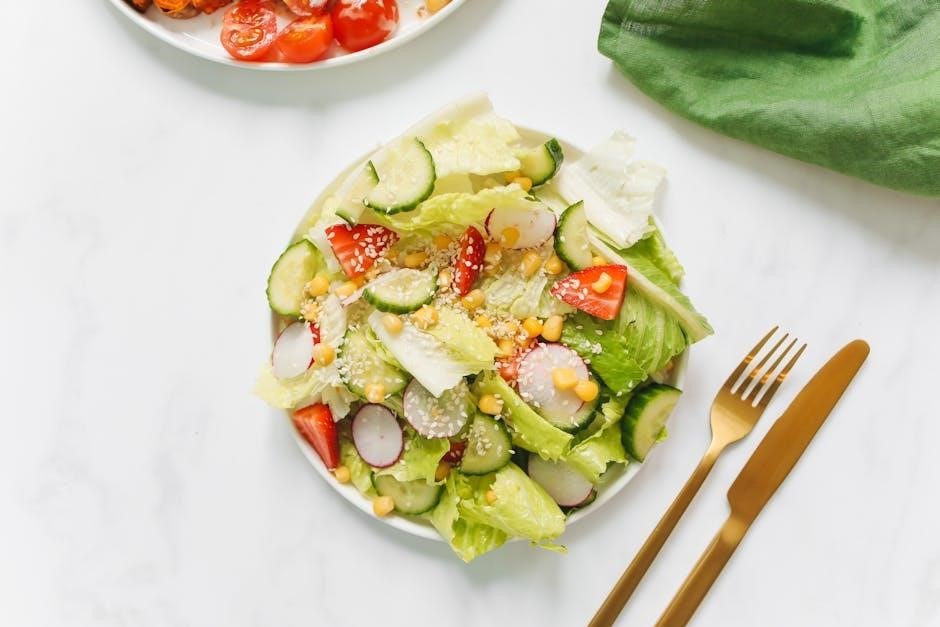
Comprehensive PDFs often compare nutritional profiles, clearly illustrating brown rice’s advantages over refined grains. They provide cooking instructions to ensure optimal texture and flavor, and suggest pairings with lean proteins and vegetables. PDF documents also address portion control, advising moderate servings. These resources highlight brown rice as a versatile and satisfying staple, easily integrated into a low-fat lifestyle, as detailed within accessible PDF dietary plans.
Quinoa
Low-fat diet PDF resources frequently champion quinoa as a complete protein source, crucial for satiety and muscle maintenance during weight loss. These PDF guides detail quinoa’s impressive amino acid profile, making it a valuable addition to vegetarian and vegan low-fat plans. PDF meal plans often feature quinoa salads, bowls, and side dishes, showcasing its versatility.
Detailed PDFs compare quinoa’s nutritional benefits to other grains, highlighting its fiber, iron, and magnesium content. They provide cooking tips for fluffy, flavorful quinoa, and suggest creative ways to incorporate it into various meals. PDF documents emphasize portion control, recommending moderate servings alongside lean proteins and vegetables. These resources position quinoa as a nutrient-packed, low-fat staple, easily integrated into a healthy lifestyle, as outlined in comprehensive PDF dietary guides.
Specific Low-Fat Food Choices (Detailed List)
PDF guides offer extensive lists categorizing low-fat options, simplifying meal planning and grocery shopping for individuals committed to a healthier, reduced-fat lifestyle.
Dairy & Alternatives (Low-Fat Options)
Selecting dairy and alternatives wisely is crucial on a low-fat diet. PDF resources often detail specific fat content per serving, aiding informed choices. Skim milk provides essential calcium without the fat of whole milk, becoming a staple. Fat-free yogurt, while seemingly ideal, frequently contains added sugars to compensate for flavor lost with fat removal – a point emphasized in many downloadable guides.
Low-fat cheese offers some dairy enjoyment, but moderation is key due to its potential for hidden saturated fats. Plant-based alternatives like almond milk, soy milk, and oat milk are excellent low-fat options, though nutritional profiles vary. PDF checklists often compare these alternatives, highlighting calcium and vitamin D fortification. Always scrutinize labels for added sugars and unhealthy fats, as these can negate the benefits of choosing a low-fat product. Comprehensive PDF lists categorize these options, simplifying selection.
Skim Milk
Skim milk stands as a cornerstone of a low-fat diet, offering substantial nutritional benefits with minimal fat content. Detailed PDF guides frequently showcase its calcium and vitamin D levels, vital for bone health. Compared to whole or 2% milk, skim milk drastically reduces fat intake, supporting weight management goals outlined in many downloadable meal plans.
PDF resources often highlight skim milk’s versatility – it’s excellent in smoothies, cereals, or simply enjoyed as a beverage. However, some individuals find the taste less satisfying than higher-fat options. PDF recipe collections suggest incorporating vanilla extract or spices to enhance flavor. It’s important to note that while low in fat, skim milk still contains lactose, a sugar, so portion control remains important. Comprehensive PDF lists categorize skim milk alongside other low-fat dairy choices, aiding informed decisions.
Fat-Free Yogurt (Beware of Added Sugar)
Fat-free yogurt appears as a healthy choice in many low-fat diet PDF guides, lauded for its protein content and probiotic benefits. However, a critical warning consistently appears: scrutinize the sugar content! Many commercially available fat-free yogurts compensate for the lack of fat with substantial added sugars, potentially undermining weight loss efforts. PDF resources emphasize reading nutrition labels carefully.

PDF meal plans often recommend plain, unsweetened fat-free yogurt, allowing individuals to control sweetness with natural additions like fruit or a touch of honey. Detailed PDF lists categorize yogurts, highlighting those with minimal added sugar. Be mindful of flavored varieties, as they frequently contain hidden sugars. Choosing Greek fat-free yogurt provides a higher protein boost, increasing satiety. Comprehensive PDF guides offer tips for making informed yogurt selections, prioritizing health over perceived convenience.
Low-Fat Cheese (Moderation is Key)
Low-fat cheese can fit within a balanced low-fat diet, as detailed in many PDF food lists, but portion control is paramount. While reduced in fat, these cheeses still contain calories and sodium. PDF guides frequently emphasize that “low-fat” doesn’t equate to “unlimited.” Comprehensive PDF resources often provide serving size recommendations to help manage intake effectively.
PDF meal planning templates suggest using low-fat cheese sparingly – as a flavor enhancer rather than a primary component. Look for varieties with the lowest fat and sodium content, as highlighted in detailed PDF comparisons. Mozzarella and cottage cheese are often recommended in PDF lists due to their relatively lower fat profiles. Remember, even low-fat cheese should be consumed in moderation to support overall dietary goals. Prioritize whole, unprocessed foods as outlined in most PDF diet plans.
Low-Fat Breakfast Options
PDF low-fat diet guides consistently emphasize starting the day with nutrient-rich, low-fat breakfasts. Oatmeal, prepared with water or skim milk, is a staple, frequently detailed in PDF recipe collections. Whole-wheat toast with a thin spread of fruit or a small amount of avocado is another recommended option, often listed in sample PDF meal plans.
PDF resources also suggest incorporating lean protein sources like egg whites or fat-free yogurt. Be cautious with flavored yogurts, as PDF analyses reveal high added sugar content. Smoothies, made with fruits, vegetables, and skim milk, are a convenient choice, with numerous PDF recipes available. Detailed PDF lists often include portion sizes to ensure calorie control. Prioritize fiber-rich options to promote satiety and support a healthy digestive system, as highlighted in comprehensive PDF guides.
Low-Fat Lunch Ideas
PDF guides dedicated to low-fat diets frequently showcase lunch options centered around lean proteins and abundant vegetables. Large salads, featuring grilled chicken or fish (detailed in PDF preparation guides), and a light vinaigrette are consistently recommended. Whole-wheat sandwiches, filled with turkey breast and plenty of lettuce and tomato, are another common suggestion found within PDF meal plans.
PDF resources emphasize avoiding high-fat deli meats and creamy spreads. Soups, particularly vegetable-based or broth-based varieties, are highlighted as a filling and low-fat choice, with numerous PDF recipes provided. Leftovers from a low-fat dinner are also encouraged, as outlined in practical PDF guides. Portion control is key, and PDF lists often include suggested serving sizes to maintain a balanced calorie intake throughout the day.
Low-Fat Dinner Recipes
PDF resources dedicated to low-fat eating consistently feature recipes prioritizing baked, grilled, or steamed cooking methods. Many PDF guides showcase fish recipes – particularly white fish – seasoned with herbs and lemon, avoiding heavy sauces. Chicken breast, prepared skinless and marinated, is another staple, with PDFs offering diverse flavor combinations.
Vegetarian options, detailed in numerous PDFs, often include lentil stews or bean-based chili, emphasizing fiber and protein. Stir-fries, utilizing minimal oil and loaded with vegetables, are frequently included in PDF recipe collections. PDF meal plans often suggest pairing dinners with a side of brown rice or quinoa. Careful attention to portion sizes, as outlined in PDF guides, is crucial for maintaining a low-fat intake and achieving weight management goals.

Hidden Fats & Foods to Limit
PDF guides highlight that seemingly “low-fat” processed foods often compensate with added sugars, potentially hindering weight loss and overall health objectives.
Processed “Low-Fat” Foods: The Sugar Trap
Many commercially prepared “low-fat” products, as detailed in comprehensive PDF dietary guides, aren’t the health halos they appear to be. To maintain palatability when fat is removed, manufacturers frequently increase sugar content significantly. This substitution can inadvertently contribute to weight gain and negatively impact metabolic health.
Fat-free yogurts, for instance, often contain substantial added sugars to compensate for the lost creaminess. Similarly, reduced-fat biscuits and ready meals may be loaded with sucrose or high-fructose corn syrup. These hidden sugars provide empty calories and can spike blood sugar levels, leading to increased cravings and fat storage, particularly around the abdomen.
PDF resources emphasize the importance of scrutinizing nutrition labels carefully, paying close attention not only to the fat content but also to the sugar levels. Prioritizing whole, unprocessed foods remains the cornerstone of a truly healthy, low-fat dietary approach.
Sauces & Dressings: Hidden Fat Content
Sauces and dressings are notorious culprits for harboring surprisingly high levels of fat, often undermining even the most diligent low-fat meal plans – a point frequently highlighted in detailed PDF food lists. Seemingly innocent additions like salad dressings, marinades, and creamy sauces can dramatically increase the fat content of a dish.
Commercial dressings, in particular, are often laden with oils and emulsifiers. Even “light” or “reduced-fat” versions may contain significant amounts of hidden fats. Similarly, pre-made sauces, such as pasta sauces or barbecue sauce, can be surprisingly high in fat and sugar.
PDF guides recommend opting for oil-free or low-fat alternatives, or better yet, preparing homemade versions using fresh ingredients. Utilizing herbs, spices, vinegar, and lemon juice can create flavorful dressings and sauces without the added fat, supporting a truly low-fat dietary approach.
Snack Foods: Choosing Wisely
Snacking can easily derail a low-fat diet if choices aren’t carefully considered; comprehensive PDF lists emphasize mindful selection. Many commercially available snack foods, marketed as convenient options, are often packed with hidden fats, sugars, and processed ingredients, counteracting weight management efforts.
Biscuits, chips, and many pre-packaged snacks frequently contain substantial amounts of unhealthy fats. Even seemingly healthy options like granola bars can be surprisingly high in fat content. A detailed PDF guide will illustrate this clearly.
Instead, prioritize whole, unprocessed snacks like fresh fruits, vegetables with hummus, or a small handful of nuts (in moderation). Planning ahead and having healthy snacks readily available prevents impulsive, high-fat choices, ensuring adherence to a low-fat lifestyle.
Cooking Oils: Selecting Healthy Options
Choosing the right cooking oil is crucial on a low-fat diet, as oils are concentrated sources of fat; a detailed PDF resource can be invaluable. While eliminating fat entirely isn’t the goal, prioritizing healthier fats and minimizing overall intake is key to success.
Avoid oils high in saturated and trans fats, such as coconut oil and palm oil. Opt instead for oils rich in monounsaturated and polyunsaturated fats, like olive oil, avocado oil, and canola oil. However, even healthy oils should be used sparingly.
A comprehensive PDF guide will outline appropriate portion sizes and cooking methods. Consider using cooking sprays or water sautéing to minimize oil usage. Remember, the goal is flavor enhancement, not fat saturation.
Resources & Further Information
Downloadable PDF guides offer structured low-fat meal plans and shopping lists, while online platforms provide diverse recipes and expert nutritional advice.
Finding Low-Fat Recipes Online
The digital landscape teems with resources for discovering delicious and healthy low-fat recipes. Numerous websites specialize in dietary plans, offering extensive collections searchable by ingredient, cuisine, or meal type. Many platforms allow filtering specifically for low-fat options, streamlining your search.
Furthermore, dedicated food blogs frequently feature low-fat adaptations of classic dishes, providing innovative ideas for incorporating healthy fats into your diet. Searching for “low-fat recipes PDF” yields downloadable recipe books and meal plans, often created by registered dietitians. Social media platforms like Pinterest and Instagram are also valuable sources, showcasing visually appealing low-fat meals and linking to recipe websites.
Remember to critically evaluate recipes, prioritizing those with clear nutritional information and focusing on whole, unprocessed ingredients. Utilizing online tools alongside a comprehensive low-fat diet food list PDF ensures a well-rounded and sustainable approach to healthy eating.
PDF Resources for Low-Fat Meal Planning
Numerous organizations and health professionals offer downloadable PDF resources designed to simplify low-fat meal planning. These documents frequently include sample meal plans, grocery lists tailored to a low-fat diet, and detailed nutritional breakdowns of common foods. Searching online for “low-fat diet food list PDF” reveals a wealth of options, ranging from basic guides to comprehensive programs.
Government health websites and reputable dietary associations often provide free PDFs outlining dietary guidelines and offering practical tips for reducing fat intake. These resources can be particularly helpful for understanding portion sizes and identifying hidden fats in processed foods. Many registered dietitians also create and share PDF meal plans for clients, some of which are available for public download.
Utilizing these PDF resources alongside a detailed low-fat food list empowers individuals to take control of their diet and achieve their health goals effectively.
Consulting a Dietitian or Nutritionist
While PDF resources and online lists offer valuable guidance, personalized advice from a registered dietitian or nutritionist remains invaluable for crafting a truly effective low-fat diet plan. A professional can assess individual needs, considering factors like activity level, medical history, and dietary preferences, to create a tailored approach.
They can help decipher complex food labels, identify hidden fats often present in seemingly “low-fat” products, and ensure adequate nutrient intake while restricting fat. A dietitian can also assist in navigating the abundance of information available, including various low-fat diet food list PDFs, and determine which resources are most appropriate.
Furthermore, a professional provides ongoing support and accountability, crucial for long-term success and preventing nutritional deficiencies.