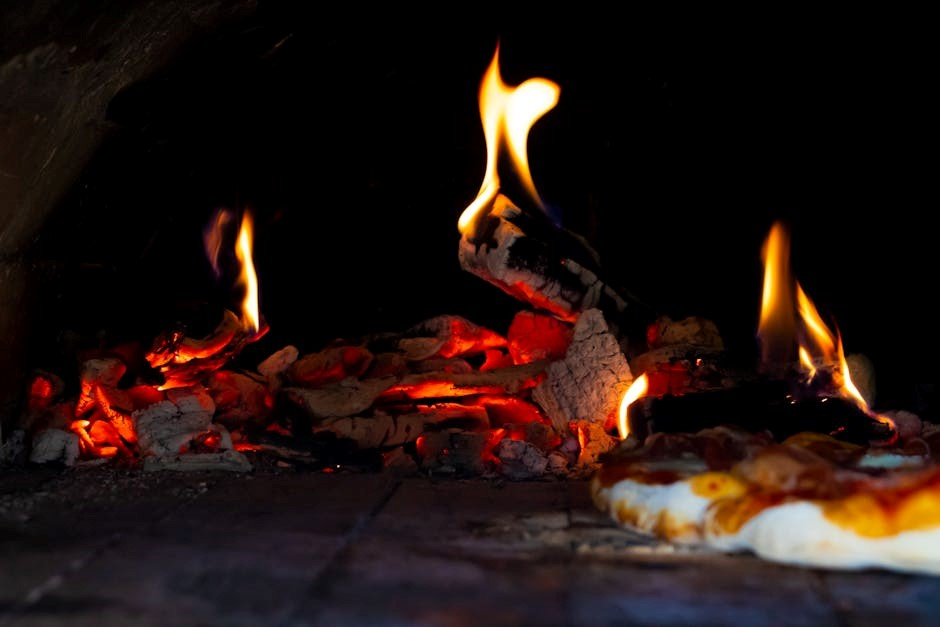
Understanding Par-Baked Pizza Crusts
Par-baked crusts offer convenience, being partially cooked for a quicker finish! They represent a smart solution for busy cooks desiring a fresh,
homemade pizza experience without extensive preparation․
What is Par-Baking?
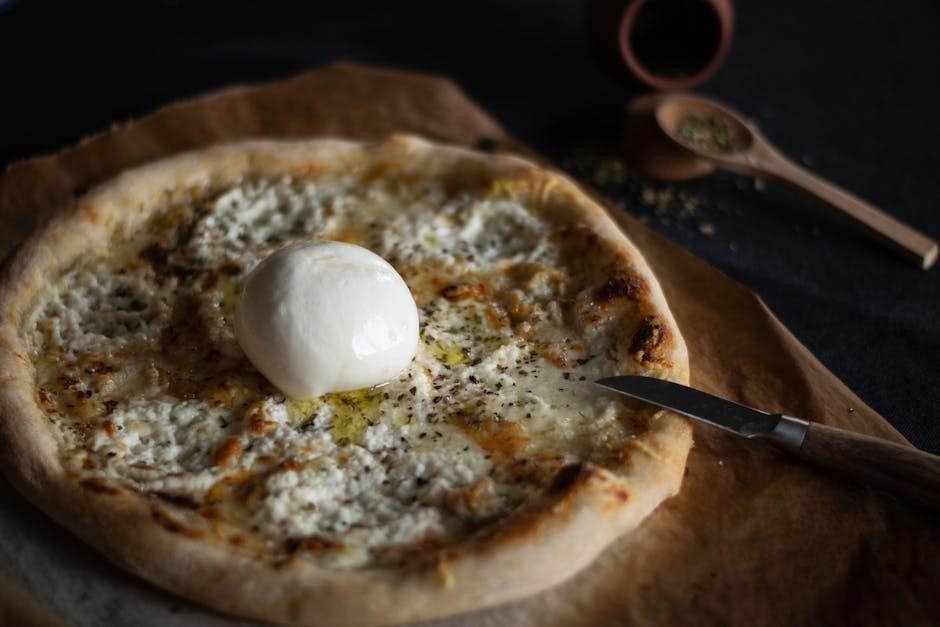
Par-baking, also known as pre-baking, is a culinary technique where a pizza crust is initially baked for a reduced period․ This partial cooking process doesn’t fully set the crust; instead, it aims to firm it up enough to handle toppings without becoming soggy․ The crust is typically baked at a moderate temperature, around 350-400°F (175-200°C), for approximately 8-15 minutes, depending on its thickness and the desired level of pre-cooking․
Essentially, par-baking creates a stable base for your pizza․ It prevents the dreaded soggy bottom that can occur when a raw crust is loaded with wet ingredients․ This method is particularly useful for thicker crusts, like deep-dish, where a fully cooked base is crucial for structural integrity․ The final baking stage, after toppings are added, completes the cooking process, resulting in a perfectly crisp and golden-brown crust․
Benefits of Using Par-Baked Crusts
Par-baked crusts deliver significant advantages for both home cooks and professional pizza makers․ Primarily, they drastically reduce cooking time, making weeknight pizza nights far more achievable․ They eliminate the need for extensive dough preparation and proofing, offering a convenient shortcut without sacrificing quality․
Furthermore, par-baking ensures a consistently crisp crust, even with heavier toppings․ This is because the initial bake sets the structure, preventing sogginess․ They also offer flexibility – you can prepare the crusts in advance and store them, ready for a quick pizza whenever the craving strikes․ Utilizing a preheated baking steel or stone alongside a par-baked crust, at temperatures around 500°F, can yield Neapolitan-style results in just minutes, achieving a beautifully charred and crispy exterior․
Preparing for Cooking
Before baking, ensure your par-baked crust is at room temperature for optimal results․ Gather your desired toppings and preheat your oven thoroughly for even cooking!
Checking Crust Condition
Prior to proceeding, a thorough inspection of the par-baked crust is crucial for achieving the best possible outcome; Gently assess the crust’s texture; it should be firm enough to handle without tearing, yet still possess some flexibility․ Look for any signs of mold or discoloration, discarding the crust if present․
If the crust feels excessively dry, a light brushing of olive oil can help restore some moisture and promote a more even bake․ Conversely, if it appears damp or sticky, a brief period (5-10 minutes) on a wire rack can allow excess moisture to evaporate․ Pay attention to the edges – they should be consistently colored and free from any burnt or underbaked spots․ A well-maintained crust is the foundation of a delicious pizza, so taking the time to evaluate its condition is a worthwhile investment!
Essential Equipment
For successful par-baked pizza creation, certain tools are invaluable․ A reliable oven thermometer is paramount, ensuring accurate temperature readings – crucial for achieving a perfectly crisp crust․ A pizza stone or baking steel is highly recommended; these retain heat exceptionally well, mimicking a professional pizza oven’s environment․
If neither is available, a sturdy baking sheet will suffice, though results may vary․ A pizza peel (wooden or metal) facilitates easy transfer of the pizza to and from the hot stone/steel․ Olive oil spray or a pastry brush is useful for lightly coating the baking surface․ Finally, oven mitts are essential for safe handling of hot equipment; Having these items readily available streamlines the process and elevates your pizza-making experience!
Oven Temperature & Baking Time
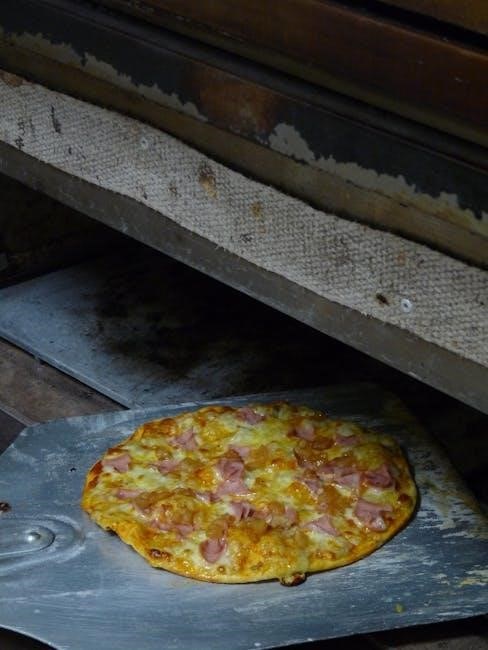
Optimal temperatures range from 356°F to 900°F, with baking times varying from 8 to 35 minutes, depending on crust style and desired crispness․
Optimal Oven Temperature (General)
For generally achieving a perfectly cooked par-baked pizza, a temperature range of 450°F to 500°F (232°C to 260°C) is widely recommended․ This provides sufficient heat to fully bake the crust, melt the cheese, and cook the toppings without burning the base․ However, remember that oven variations exist, so monitoring is crucial․
Starting with a preheated oven is essential for optimal results․ Allow ample time for the oven to reach the desired temperature, ensuring even heat distribution․ A hotter oven, approaching 500°F, will yield a crispier crust in a shorter timeframe, mirroring Neapolitan styles․ Conversely, a lower temperature, around 450°F, is suitable for thicker crusts or those preferring a softer base․
Consistent temperature throughout the baking process is key․ Avoid opening the oven door frequently, as this can cause temperature fluctuations and impact the final outcome․ Utilizing an oven thermometer can help verify the internal temperature and ensure accuracy․
Optimal Oven Temperature (Neapolitan Style)
To truly emulate a Neapolitan-style pizza with a par-baked crust, achieving extremely high temperatures is paramount․ Ideally, aim for an oven temperature between 800°F and 900°F (427°C to 482°C)․ This intense heat rapidly cooks the pizza, creating a characteristic charred, blistered crust while maintaining a soft, airy interior․
However, reaching these temperatures typically requires a specialized pizza oven․ For conventional home ovens, maximizing the temperature to its highest setting – often around 500°F to 550°F – is the best achievable approximation․ Utilizing a baking steel or pizza stone is crucial to retain and distribute heat effectively․
Baking time at these high temperatures is incredibly short, usually between 90 seconds and 2 minutes․ Constant vigilance is necessary to prevent burning․ The goal is a quickly cooked crust with slight charring, a hallmark of authentic Neapolitan pizza․
Baking Time for Thin Crust
When utilizing a par-baked thin crust, baking time will be relatively short, typically ranging from 8 to 15 minutes․ This timeframe is heavily influenced by your oven’s temperature and the specific thickness of the crust․ Consistent monitoring is key to achieving a perfectly golden-brown and crispy result․
If your oven reaches 500°F (260°C), expect the shorter end of the range – around 8-10 minutes․ Lower temperatures, closer to 400°F (204°C), will necessitate closer to 12-15 minutes․ Remember to rotate the pizza halfway through the baking process to ensure even cooking and prevent burning on one side․
Visually inspect the crust; it should be uniformly golden brown and firm to the touch․ The cheese should be fully melted and bubbly․ Adjust baking time accordingly based on these visual cues for optimal results․
Baking Time for Deep Dish
Deep-dish pizzas, utilizing par-baked crusts, require a significantly longer baking time compared to thinner varieties․ Expect a total cooking duration of approximately 35-40 minutes, following an initial par-bake of around 8 minutes for the crust itself; This extended time allows the substantial dough to fully cook through and develop a desirable texture․
Lower oven temperatures, typically around 356°F (180°C), are recommended for deep-dish pizzas․ Higher heat risks burning the crust before the interior and toppings are adequately heated․ Utilizing a ventilated oven is also beneficial for even heat distribution․
Monitor closely; the crust should be golden brown and the cheese fully melted and bubbly․ A slight jiggle in the center indicates it may need a few more minutes․ Patience is crucial for a perfectly cooked deep-dish masterpiece!
Cooking Methods
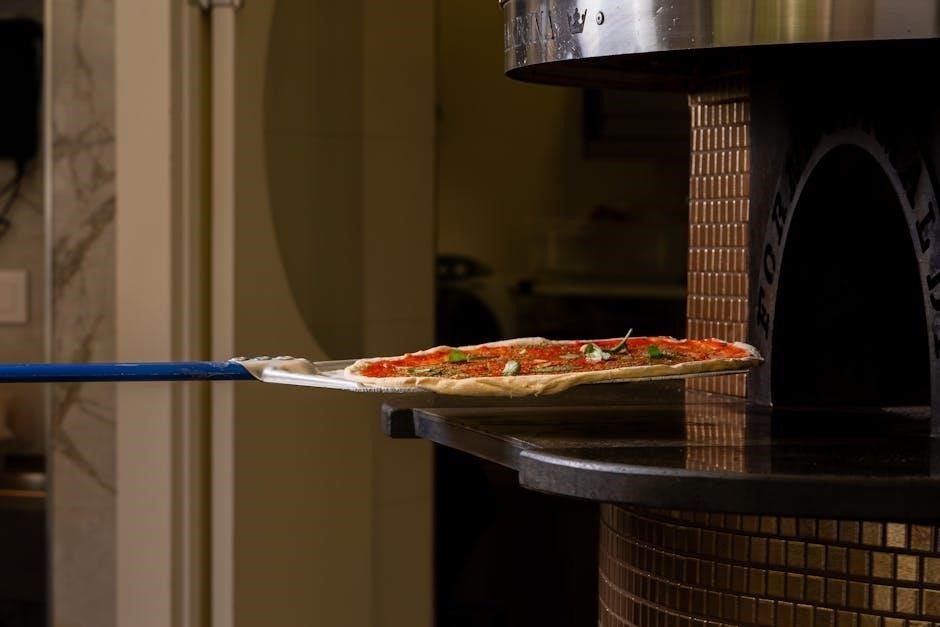
Various methods exist for cooking par-baked pizza, including utilizing a pizza stone, baking steel, or directly placing the crust on the oven rack for optimal results!
Using a Pizza Stone
A pizza stone is a fantastic tool for achieving a crispy crust! Preheat the stone along with your oven – ideally to 500°F (260°C) or higher, depending on your recipe and desired style․ Placing the stone on a wire rack during preheating helps ensure even heat distribution․
Carefully transfer the par-baked crust directly onto the hot stone․ Baking times will vary, generally ranging from 8 to 15 minutes, but closely monitor for golden-brown perfection․ Remember to rotate the pizza halfway through cooking to promote even browning, especially if your oven has hot spots․
The stone’s porous nature draws moisture away from the crust, resulting in a delightfully crisp texture․ Be cautious when handling the hot stone; oven mitts are essential! A pizza peel dusted with cornmeal or flour will aid in safely transferring the pizza to and from the stone․
Using a Baking Steel
A baking steel offers superior heat retention compared to a stone, leading to an even crispier crust! Preheat your oven with the steel inside, aiming for 500°F (260°C) or even higher – some enthusiasts reach 900°F (482°C) for Neapolitan-style results․ Coating the steel with a light layer of olive oil prevents sticking and aids in browning․
Carefully place the par-baked crust onto the preheated steel․ Baking times are typically shorter with a steel, often around 11/2 to 2 minutes at very high temperatures, or 8-15 minutes at more moderate settings․ Monitor closely to prevent burning․
The steel’s density creates intense bottom heat, resulting in a beautifully charred and crispy base․ Use a pizza peel for safe transfer, and remember oven mitts are crucial when handling the extremely hot steel!
Directly on Oven Rack
Baking directly on the oven rack is a viable option, though requires caution and a well-preheated oven! Ensure your oven rack is clean and positioned in the middle section for even heat distribution․ Preheat the oven to the appropriate temperature – generally between 356°F (180°C) and 500°F (260°C), depending on crust thickness and desired crispness․
Carefully place the par-baked crust directly onto the hot rack․ This method maximizes airflow around the crust, promoting all-around crisping․ However, it also increases the risk of the crust becoming too browned or even burning, so vigilant monitoring is essential․
Baking times will vary, typically ranging from 8 to 15 minutes․ Consider rotating the pizza halfway through to ensure even cooking․ A baking sheet placed on a lower rack can catch any potential drips․
Toppings & Finishing
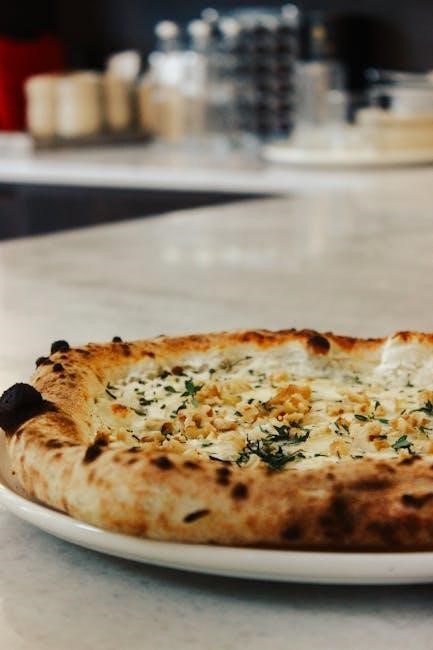
Adding toppings after the par-baked crust is cooked ensures a perfectly melted cheese and flavorful pizza! Fresh herbs and a drizzle of olive oil elevate the taste․
When to Add Toppings
Timing is crucial when applying toppings to a par-baked pizza crust․ Unlike starting with raw dough, the partially cooked base requires a different approach to prevent undesirable results․ It’s generally recommended to add your toppings immediately after removing the par-baked crust from the oven․
This allows the cheese to melt beautifully and the toppings to cook through without burning the crust, which can happen if you add them before the initial bake․ The crust has already established some structure, so it can support heavier toppings without becoming soggy․
Consider this: the par-baking process has already addressed much of the structural integrity of the crust․ Therefore, the final bake is primarily focused on melting cheese and heating toppings․ Applying toppings before this final bake risks undercooked ingredients or a compromised crust texture․
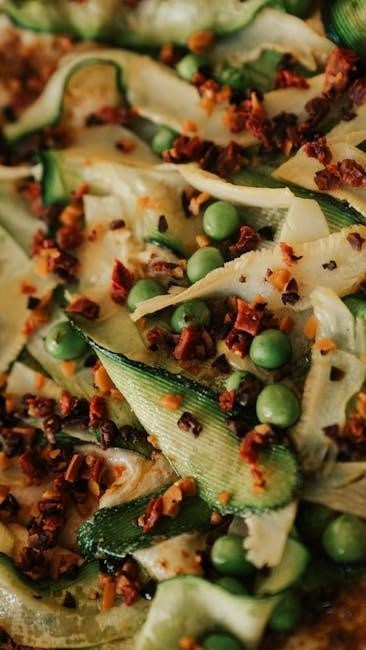
Don’t delay! Add your sauce, cheese, and desired toppings promptly for optimal results․
Cheese Selection & Quantity
Cheese choice significantly impacts your par-baked pizza’s final outcome․ Mozzarella remains a classic, offering excellent melt and stretch, but don’t limit yourself! Provolone adds a slightly sharper flavor, while a sprinkle of Parmesan provides a salty, umami boost․ Consider a blend for complexity․
Regarding quantity, moderation is key․ Overloading with cheese can lead to a greasy pizza and potentially prevent the crust from fully crisping․ A good starting point is approximately 6-8 ounces of shredded cheese for a 12-inch pizza․
However, adjust based on your preference and the type of cheese․ Denser cheeses like provolone require less quantity than lighter, airier mozzarella․ Distribute the cheese evenly across the sauce, leaving a small border for a beautifully browned crust;
Remember, the par-baked crust is already partially set, so the cheese needs to melt and bubble without overwhelming the base․
Finishing Touches (Oils, Herbs)
Elevate your par-baked pizza with thoughtful finishing touches! A drizzle of high-quality extra virgin olive oil post-bake adds richness and aroma․ Infused oils, like garlic or chili, introduce another layer of flavor․ Apply sparingly to avoid a soggy crust․
Fresh herbs are game-changers․ Basil, oregano, or parsley, sprinkled on immediately after removing the pizza from the oven, provide vibrant color and fragrance․ Avoid adding herbs before baking, as they can burn and become bitter․
A pinch of red pepper flakes offers a subtle heat, while a grating of Parmesan or Pecorino Romano adds a salty, savory note․ Consider a balsamic glaze for a touch of sweetness and tang․
These final flourishes transform a simple pizza into a culinary delight, showcasing your personal touch and enhancing the overall experience․
Troubleshooting
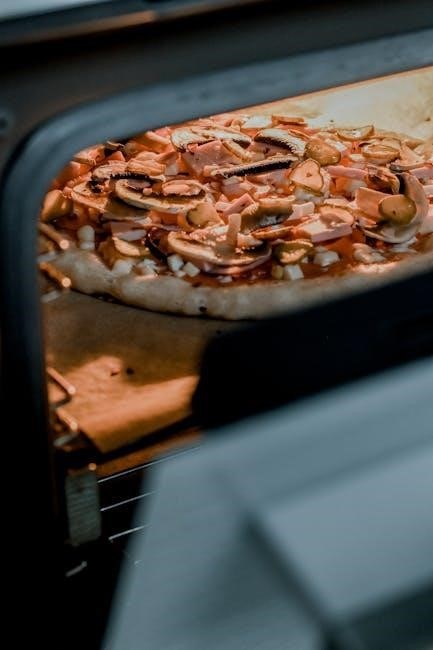
Common issues include burning or sogginess․ Adjust oven temperature and baking time accordingly․ Uneven cooking often requires rotating the pizza during the baking process․
Crust Burning Before Cheese Melts
If the crust is browning too quickly while the cheese remains unmelted, your oven temperature is likely too high․ Lowering the heat is the primary solution; consider reducing it by 25-50 degrees Fahrenheit․ A lower temperature allows the cheese to melt gradually without scorching the crust․
Additionally, ensure the pizza isn’t positioned too close to the heating element․ Moving it to a lower rack can help distribute heat more evenly․ Covering the crust’s edges with foil during the final few minutes of baking can shield them from excessive heat․
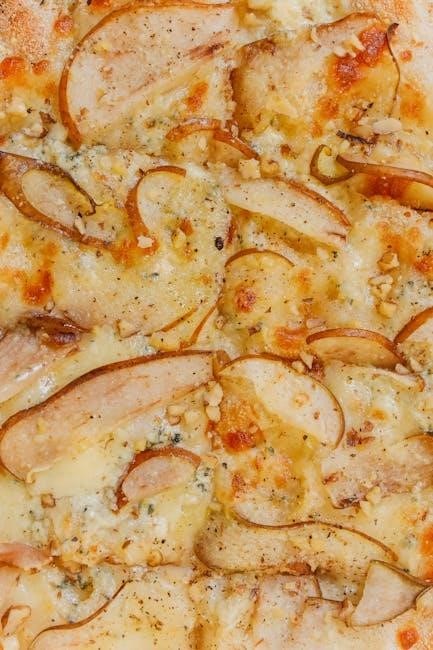
Remember, par-baked crusts are already partially cooked, making them more susceptible to burning․ Monitoring closely and adjusting baking time – potentially reducing it by a few minutes – is crucial for achieving a perfectly melted cheese topping and a golden-brown, not burnt, crust․
Crust Remaining Soggy
A soggy crust indicates insufficient heat or moisture buildup during baking․ Ensure your oven is fully preheated to the recommended temperature – typically between 450°F and 500°F (232°C ― 260°C) – before placing the pizza inside․ Utilizing a pizza stone or baking steel is highly recommended, as these materials retain and distribute heat effectively, promoting a crispier base․
If using a baking sheet, avoid overcrowding it with toppings, as this can trap steam․ Lightly oiling the baking surface can also help prevent sticking and encourage crisping․ For particularly stubborn sogginess, briefly increase the oven temperature during the last few minutes of baking, carefully monitoring to prevent burning․
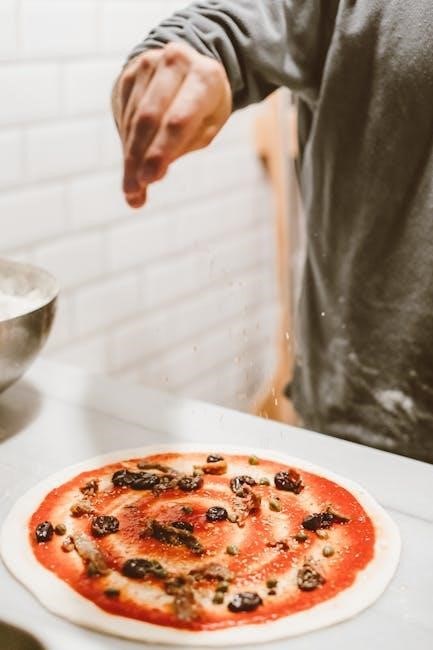
Finally, ensure ingredients with high water content, like fresh mozzarella, are adequately drained before adding them to the pizza․
Uneven Cooking
Uneven cooking often stems from inconsistent oven heat distribution or improper placement of the pizza within the oven․ Rotating the pizza halfway through the baking process is crucial to ensure all areas receive equal exposure to heat․ Avoid opening the oven door frequently, as this causes temperature fluctuations that hinder even cooking․
If your oven has hot spots, experiment with different rack positions to find one that promotes more uniform baking․ A pizza stone or baking steel helps mitigate hot spots by providing a consistently heated surface․ Ensure the par-baked crust is placed directly on the heated surface, not on a baking sheet on top of it․
Finally, verify your oven’s temperature accuracy with an oven thermometer․